Static in Thermoformed PP Cup Production
Manage static, manage cost
PLASTIC PROCESSINGPUBLIC
Arif Sarwono
2/28/20261 min read
Why Static Matters
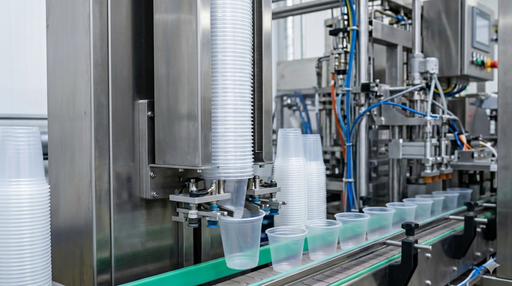
In thermoforming polypropylene (PP) cups, static electricity is more than a nuisance—it directly affects production efficiency and product quality. Excessive static can cause cups to stick together, attract dust, or misfeed during stacking and packaging. For practitioners, this translates into downtime, higher rejection rates, and frustrated operators.
How Static Builds Up
Static charges form when PP sheets are heated, stretched, and cut. The friction between sheet and mold, or between cups during stacking, generates imbalance in electrical charges. Because PP is a non-conductive polymer, these charges don’t dissipate easily.
Common Symptoms in Production:
Cup sticking: Nested cups resist separation, slowing down packaging.
Dust attraction: Fine particles cling to cup surfaces, reducing hygiene and appearance.
Misfeeds: Static disrupts automated stacking and counting systems.
Practical Mitigation Strategies
Material Additives: Incorporating antistatic masterbatch during extrusion helps charges dissipate faster.
Ionizing Bars or Blowers: Installed near stacking or packaging lines, these neutralize charges on cup surfaces.
Humidity Control: Slightly higher humidity in the production area reduces static buildup.
Grounding and Conductive Paths: Ensuring machinery and conveyors are properly grounded allows charges to flow away.
Balancing Cost and Performance
While antistatic additives add cost, they can reduce downstream problems. Ionizing equipment requires investment but pays off in smoother packaging. The right balance depends on production scale and customer requirements.
Key Takeaway
Static in PP cup thermoforming is a manageable problem. By combining material solutions with process controls, producers can reduce downtime, improve hygiene, and deliver consistent quality. Addressing static is not just about smoother production—it’s about protecting brand reputation and customer trust.
Reach out anytime for chemical engineering or chemical application tips or discussion
Contact US
contact@mdm-technology.com
taramkt@gmail.com
+62811883915
+62818159065
© 2026. MDM Technology All rights reserved.