

The Engineering Shift: Mastering Water-Based Rotogravure for Flexible Packaging
Beyond Solvents: The Technical Reality of Water-Based Rotogravure.
PRINTING INKPUBLIC
Arif Sarwono
2 min read
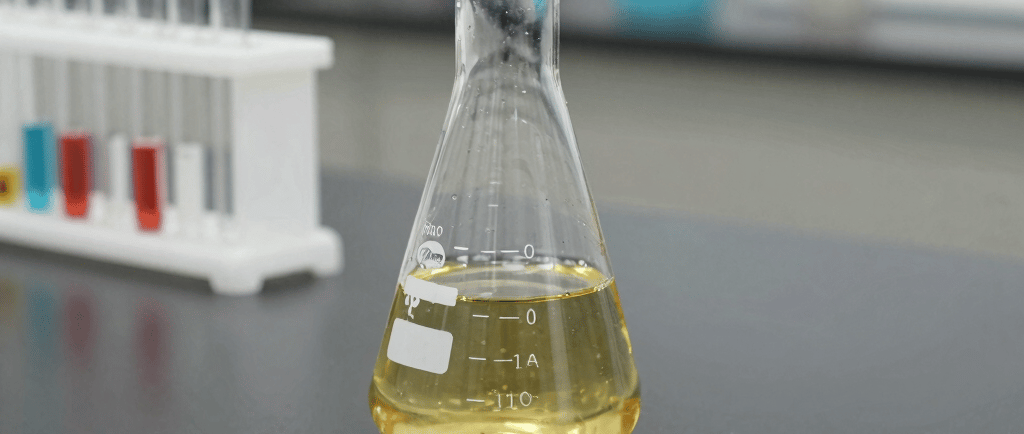
The global push toward sustainability is no longer a peripheral conversation in the printing industry; it is a fundamental shift in manufacturing logic. For decades, solvent-based inks (acetate and alcohol-based) dominated the rotogravure landscape due to their rapid evaporation and low surface tension. However, as VOC (Volatile Organic Compound) regulations tighten, the transition to water-based (WB) systems has become a technical necessity.
For the chemical formulator and the process engineer, this isn't just a "swap" of liquids. It is a complete recalibration of fluid dynamics and thermodynamics.
The Surface Tension Barrier
The primary challenge in water-based gravure is the high surface energy of water (approx. 72 mN/m) compared to BOPP or PE films (typically 30–32 mN/m). Without proper treatment or formulation, water-based ink will bead up rather than wet the substrate.
To achieve a high-quality print, the ink’s surface tension must be significantly lower than the substrate’s surface energy. This requires:
Substrate Preparation: Increasing the film's energy via Corona or Flame treatment to at least 38–42 dynes.
Surfactant Engineering: Careful loading of wetting agents (silicone-based or acetylenic diols) to reduce the ink’s dynamic surface tension without inducing excessive foam.
The Thermodynamics of Drying
In a solvent-based system, low latent heat of vaporization allows for rapid drying at moderate temperatures. Water, however, has a latent heat of vaporization roughly 4 to 5 times higher than typical solvents.
To maintain high press speeds (150–200 m/min) with WB inks, the engineering focus must shift to the drying tunnel. It isn’t just about "higher heat"—which can warp the film—but about high air velocity and volume. Breaking the boundary layer of saturated air above the ink film is critical to driving evaporation.
Formulation Science: The 1K Advantage
When designing a water-based system, particularly for reverse printing and lamination, the choice between 1K (one-component) and 2K (two-component) systems is a major operational decision.
While 2K systems using crosslinkers (like carbodiimides) offer high resistance, they introduce the "pot life" clock. For industrial efficiency, a high-performance 1K Water-Based Polyurethane (PU) system is often the gold standard. By utilizing high molecular weight PU dispersions (PUDs) with a specific Tg (Glass Transition Temperature) and MFFT (Minimum Film Forming Temperature), you can achieve:
Excellent bond strength for lamination.
Resistance to "blocking" in the reel.
Stability on the press without the risk of the ink hardening in the cells during short stops.
Viscosity Control and the Krieger-Dougherty Effect
In rotogravure, maintaining a low and stable viscosity (e.g., 13–15 seconds in a Zahn Cup #3) is vital for cell release. As the water evaporates in the ink fountain, the solids percentage increases.
The relationship between particle loading and viscosity is non-linear. Formulators must account for the Krieger-Dougherty effect, where the viscosity rises sharply as the particle packing fraction approaches its limit. Precision in the pigment-to-binder ratio ensures that even at high pigment loadings, the ink maintains the flow characteristics necessary for clean doctor blade wiping.
Conclusion: From "Trial and Error" to First Principles
The transition to water-based rotogravure is often met with frustration because many attempt to run it using solvent-based logic. Success in this domain requires a deterministic approach—measuring dyne levels, calculating heat transfer requirements, and understanding the molecular behavior of PUDs.
By mastering these variables, manufacturers can achieve a sustainable footprint without sacrificing the high-definition quality that makes rotogravure the premier choice for flexible packaging.
Have a specific challenge in your production process?
All technical consultations and inquiries are treated as strictly confidential. Production details, formulation data, and business information you share are used only to serve your specific needs — never disclosed to third parties or supply chain partners without your consent. Reach out to Arif Sarwono at contact@mdm-technology.com
Reach out anytime for chemical engineering or chemical application tips or discussion
Contact US
contact@mdm-technology.com
taramkt@gmail.com
+62811883915
+62818159065
© 2026. MDM Technology All rights reserved.